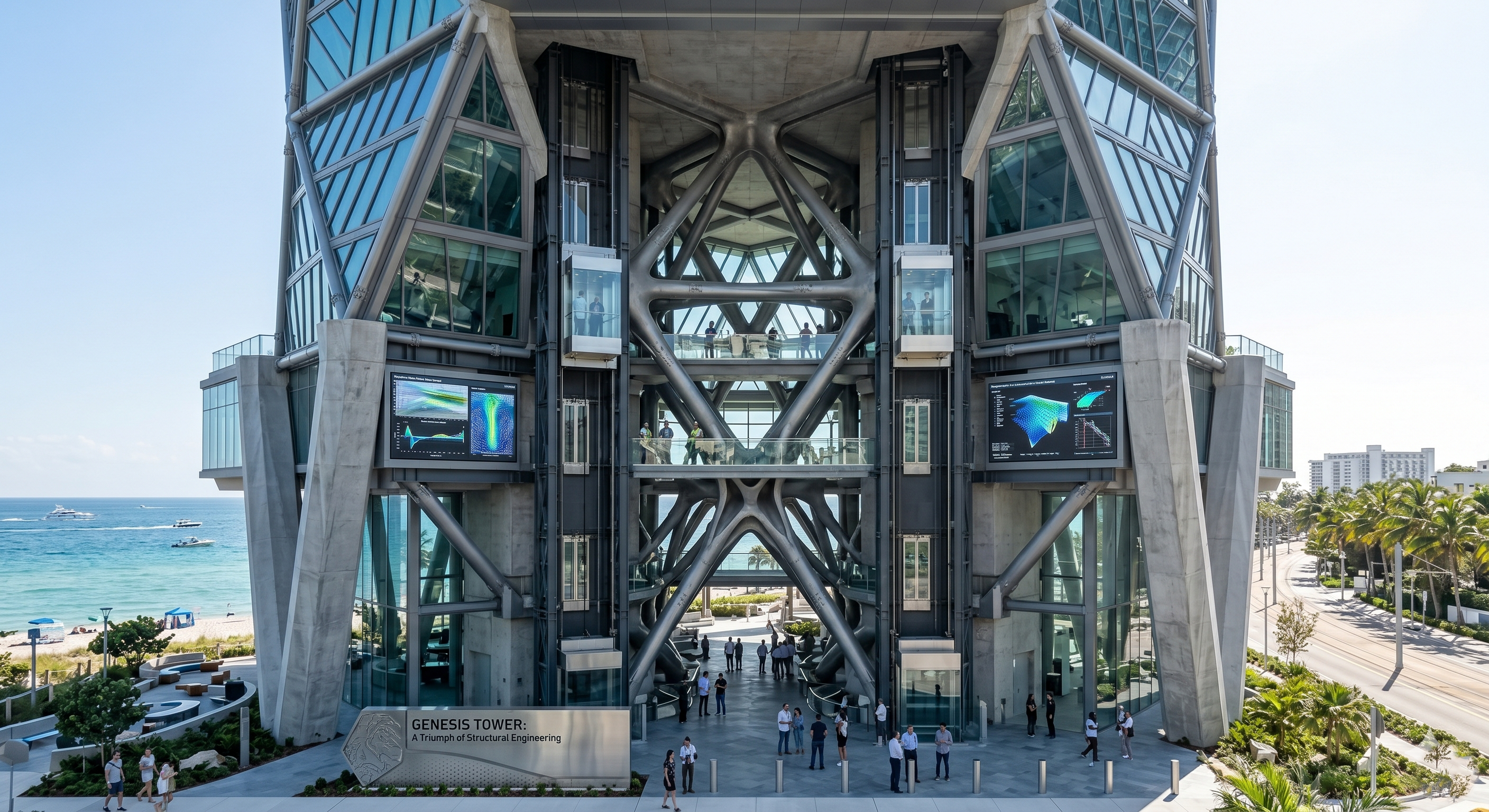
As wildfires, urban fires, and extreme weather events increase across the U.S., structural engineers, architects, and homeowners are prioritizing fire-resistant residential construction. Traditional wood framing, while common and often economical upfront, adds significant fuel to fires and contributes to rapid spread. Alternatives like cold-formed steel (CFS), concrete, masonry, and hybrid systems provide superior fire performance, code advantages, and long-term economic benefits.
1. Critical Fire Resistance in Modern Design
Residential fires and wildfires cause billions in annual losses across the United States. Especially in the rapidly expanding Wildland-Urban Interface (WUI) zones, securing property insurance availability and affordability has become a major challenge for builders and homeowners alike.
Designing with non-combustible or high-resistance construction qualifies structures for far better building code allowances (e.g., IBC Types I & II). This potentially enables larger structural sizes, increased heights, or relaxed fire-rating requirements, while dramatically improving occupant life safety and long-term asset protection.
Engineering Note: Total fire performance depends heavily on fully tested structural assemblies (combining gypsum board protection, exterior sheathing, and insulation types) rather than focusing solely on the base framing material.
2. CFS Framing: Non-Combustible Integrity
Cold-formed steel (CFS)—roll-formed from high-quality galvanized sheet steel into structural studs, joists, and tracks—offers exceptional inherent non-combustibility. Unlike traditional wood framing, steel does not ignite, burn, or add fuel load to a fire.
Steel’s melting point (~2,500°F to 2,800°F) far exceeds typical residential fire temperatures. CFS also resists termites, wood rot, pests, and mold, boosting the overall structural durability.
- Retains nearly all of its yield and mechanical strength at temperatures up to ~300°C.
- Protected assemblies routinely achieve 1 to 2+ hour fire-resistance ratings per ASTM E119 and UL testing protocols.
- An excellent structural option for single-family homes, townhomes, and multi-family mid-rises in high-risk zones.
Thermal Detailing: Because thin steel sections conduct and heat faster than thick structural steel or massive concrete, proper insulation and fire-rated gypsum board detailing remain essential.
3. Concrete, Masonry & Hybrid Systems
Concrete & Masonry: Concrete masonry units (CMU) and Insulated Concrete Forms (ICFs) offer outstanding inherent fire resistance due to their extensive thermal mass. They require minimal additional fireproofing and excel against multiple hazards, including fire, extreme hurricane winds, and mechanical impacts.
Hybrid Systems: CFS framing paired with light concrete floor decks, fiber-cement or stucco cladding, metal roofing, and non-combustible sheathing (e.g., magnesium oxide MgO boards) creates a balanced, highly cost-effective, and fast-erecting safety system.
Mass Timber: While heavy timber can perform well through slow surface charring, it remains a combustible material that adds to a building's fuel load.
4. Cost Comparison: Upfront vs. Long-Term
Upfront costs for Cold-Formed Steel are often comparable to—or only slightly higher than—traditional wood framing. Recent industry data shows cost parity or even steel advantages depending on lumber market volatility, project scale, and whether stick-built or automated panelized construction is utilized.
- Commercial / Mixed-Use Analysis: In a ~50,000 sq. ft. building, wood framing averaged ~$125–$128/sq. ft., while CFS was ~$129/sq. ft. (a negligible 2.6% difference). Framing typically accounts for 20% of total building cost.
- Single-Family Residential: Optimized panelized CFS framing spacing (e.g., 24" o.c. designs) can match or beat wood, yielding up to 14% savings on framing costs when lumber prices spike. Steel price stability eliminates lumber's extreme market volatility.
- Panelization Savings: While panelized CFS framing ranges from $16–$21/sq. ft. total vs. wood's $13–$19/sq. ft., off-site automation and steel's lighter weight translate to smaller foundations and drastically lower erection times, closing the gap.
5. Insurance Premiums & Lifecycle Savings
Builders' Risk Insurance: During the high-risk construction phase, utilizing non-combustible CFS instead of wood can yield dramatic premium reductions of **25% to 75%**, saving developers hundreds of thousands of dollars on mid-rise projects.
Property Insurance: Completed steel-framed structures secure permanent homeowner premium reductions of **10% to 25%+** and ensure easy insurability in high-risk wildfire zones.
Maintenance & Speed: Eliminating termite damage, mold rot, and drywall cracking from wood shrinkage significantly cuts repair costs. Lifecycle analyses show optimized steel delivers superior total cost of ownership over a 10-to-30-year span, frequently breaking even in the first few years. Faster erection also reduces financing carrying costs and enables quicker occupancy.
6. Best Practices for Fire-Resistant Homes
Achieving maximum safety requires a holistic building envelope strategy. Engineers recommend the following best practices:
- Use strictly UL- or Intertek-listed fire-rated wall, floor, and roof assemblies, ensuring strict compliance with local WUI (Wildland-Urban Interface) codes.
- Integrate defensible space planning, install specialized ember-resistant foundation and roof vents, and specify non-combustible exteriors.
- Engage structural and fire protection engineers early in the process. Advanced software-driven BIM design and automated roll-forming minimize material waste and optimize structural efficiency.
- Incorporate hybrid strategies: utilize lightweight CFS for framing speed and efficiency paired with strategic concrete or masonry cores for high thermal mass.
Conclusion: A Resilient, High-Value Investment
Cold-formed steel and complementary fire-resistant materials deliver safer, stronger homes while directly addressing rising climate-related hazards. Although initial framing bids can appear slightly higher, the compounding benefits of reduced insurance premiums, minimal maintenance, biological durability, and complete loss mitigation yield superior long-term financial value.
Structural engineers are crucial to optimizing these systems, tailoring them to comply with local WUI codes, maximize mechanical performance, and minimize upfront economics. For your next residential build, evaluate the total cost of ownership rather than initial framing bids alone. The empirical data increasingly supports fire-resistant construction as both a safety imperative and a smart, forward-thinking financial decision.