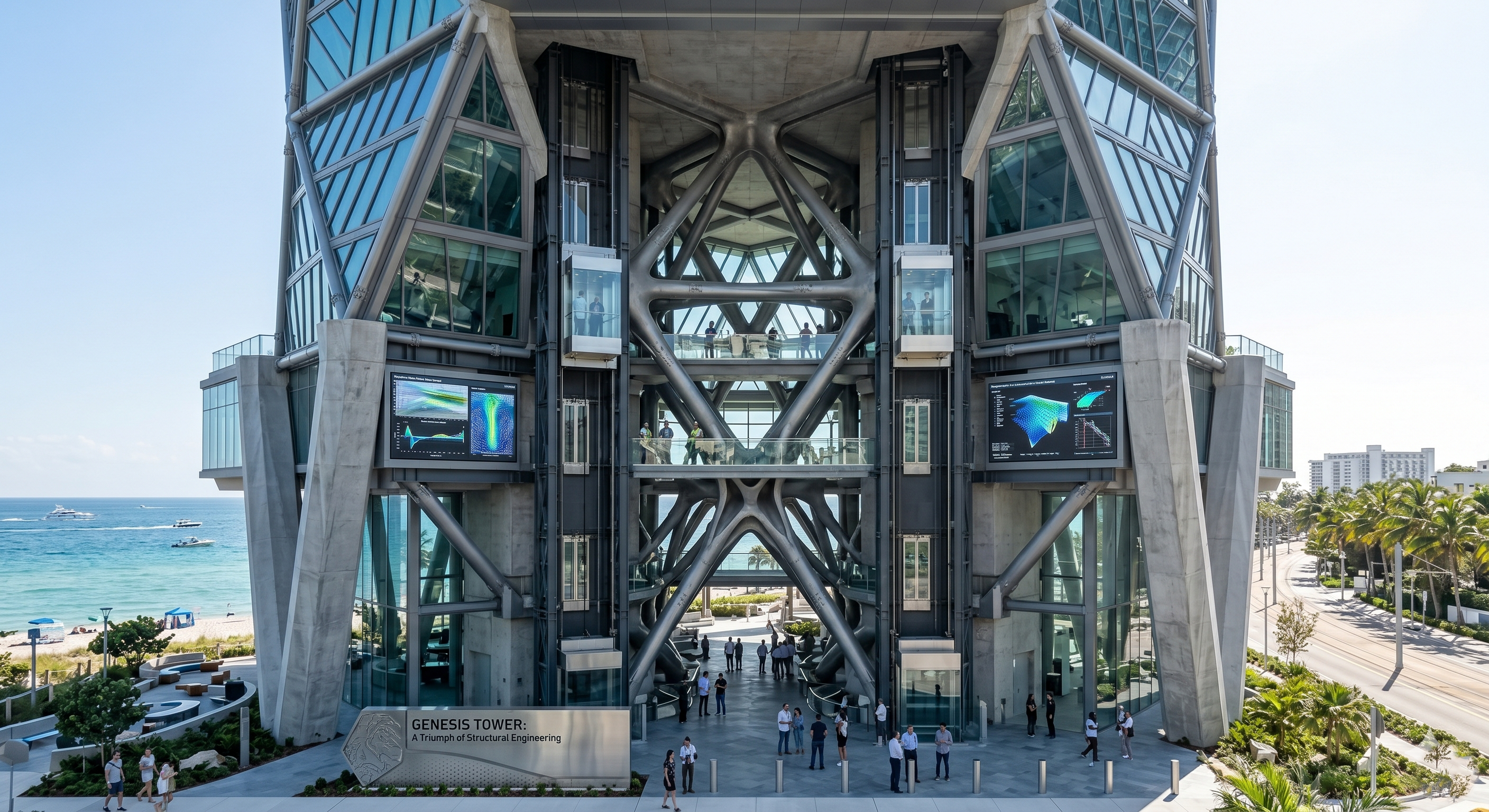
Earthquake-resistant building techniques have evolved significantly from ancient practices—such as flexible wooden frames in traditional Japanese and Himalayan architecture or interlocking stone masonry in Incan structures—to sophisticated modern engineering rooted in lessons from devastating quakes like the 1906 San Francisco, 1989 Loma Prieta, and more recent events.
Evolution & Philosophy
Early approaches focused on strength and stiffness to resist forces, but modern practices emphasize ductility (the ability to deform without collapsing), energy dissipation, and performance-based design that prioritizes life safety while minimizing damage and downtime.
Key philosophies include conventional code-based design (strength and ductility for acceptable damage levels), base isolation (decoupling the building from ground motion), and active/passive damping systems (absorbing or counteracting vibrations).
These draw from experimental data, simulations, and post-earthquake observations, shifting toward sustainable, resilient outcomes aligned with goals like minimal repair costs and continued functionality.
Pros and Cons of Different Approaches
Conventional Strength & Ductility
(e.g., reinforced concrete shear walls, steel bracing, moment frames): These rely on stiff elements and ductile detailing to absorb energy through controlled yielding.
- Pros: Cost-effective for most buildings, widely standardized in codes, proven in moderate quakes, and suitable for a range of building types.
- Cons: Buildings are designed to sustain damage in major events (repair costs can be high), higher accelerations transmitted to contents/occupants, and less ideal for critical facilities needing immediate post-quake operability.
Base Isolation
(e.g., lead-rubber bearings, friction pendulum systems): The structure sits on flexible isolators that allow it to move independently of the shaking ground.
- Pros: Dramatically reduces forces (often by 70-80%), minimal structural damage, protects non-structural elements and contents, excellent for hospitals, museums, and airports.
- Cons: Higher upfront cost, requires more space for movement (setbacks), less effective against wind or vertical motions in some cases, and complex maintenance/inspection needs.
Damping Systems
(e.g., tuned mass dampers, viscous dampers, shape memory alloys): These absorb or counteract vibrational energy within the structure.
- Pros: Effective for tall buildings to control sway, can be combined with other methods, reduces occupant discomfort.
- Cons: May not prevent all damage, added complexity and cost, performance depends on tuning to specific frequencies.
Hybrid approaches often combine these for optimal results.
The Likely Future of Earthquake-Resistant Techniques
Evolutionary trends point toward increasingly acceptable, resilient techniques. Future directions include performance-based design (specifying exact performance levels for different quake intensities), damage-tolerant and self-centering systems, advanced materials like fiber-reinforced composites and shape-memory alloys, AI-driven optimization, real-time monitoring, and seismic "cloaking" concepts.
Emphasis is shifting from mere collapse prevention to rapid recoverability and sustainability, supported by better probabilistic modeling and integrated technologies.These trends suggest buildings that not only survive but remain functional with lower lifecycle costs.
Geographic Pros, Cons, and Requirements
In high-seismic zones (e.g., Pacific Ring of Fire: Japan, California, Turkey, Taiwan), techniques are essential.Requirements vary by building type: low-rise masonry benefits from simple reinforcement and shear walls;high-rises need damping and isolation due to period effects; critical facilities (hospitals, data centers) prioritize isolation for operability.
Soil conditions (e.g., liquefaction-prone soft soils) demand deep foundations or ground improvement. Pros include vastly reduced risk and economic losses;cons involve higher costs in already expensive areas.
In low-seismicity areas, full techniques may be overkill but can be adapted.Features like enhanced ductility, better connections, and damping improve resilience against other loads (wind, hurricanes) or rare events, while offering sustainability benefits.
Export is feasible: base isolation or damping adds value for occupant comfort in windy tall buildings;flexible designs aid in expansive soils or climate challenges. Architectural integration (e.g., shear walls as aesthetic elements) allows cost-effective adaptation.
Exceptional Constructions Worldwide
Taipei 101 (Taipei, Taiwan)
Features a 660-730 ton tuned mass damper (giant steel sphere), outrigger trusses, mega-columns, and deep foundations.It withstood a major 2024 quake, (magnitude 7.2) with the damper visibly counteracting sway, demonstrating steel-concrete composite resilience.
Sabiha Gökçen Airport Terminal (Istanbul, Turkey)
The world's largest seismically isolated building at the time of completion (over 300 isolators, triple friction pendulum bearings).It reduces lateral forces by up to 80% and is designed to handle magnitude 8.0 events, moving as a unit while protecting operations.
Transamerica Pyramid (San Francisco, USA)
Its pyramidal shape, wide base, diagonal truss system, and deep foundations allowed it to sway over a foot during the 1989 Loma Prieta quake (magnitude 6.9) with no structural damage.
Other notables include Japan's advanced systems and Mexico City's Torre Reforma with flexible hinges.
Conclusion
Employing modern earthquake-resistant techniques in new construction today offers clear advantages: enhanced life safety, reduced repair and downtime costs, protection of property and contents, compliance with evolving codes, and long-term economic and social resilience.
As seismic understanding advances, these methods not only mitigate risks in active zones but provide broader durability benefits, making them a wise investment for sustainable development worldwide.
Note: This article draws from established engineering sources including FEMA guidelines, peer-reviewed research, and documented case studies.