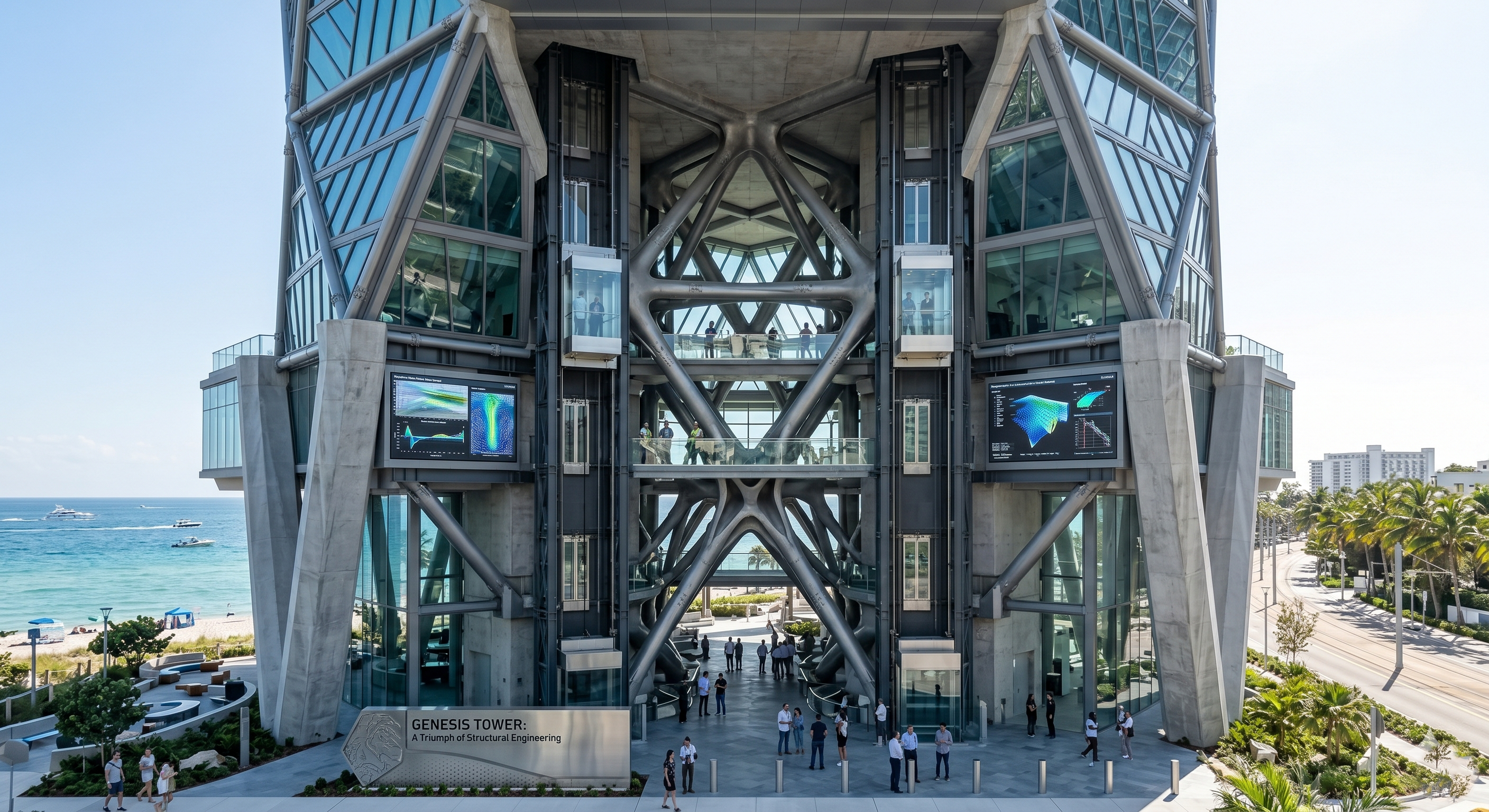
Modular systems in construction involve prefabricating building sections, known as modules, in a controlled factory environment before transporting and assembling them on-site.This approach has gained traction in modern construction for its efficiency.
Types of Modular Construction
Common types include volumetric (3D) modular construction, where entire room-sized units with finishes and systems are built off-site;panelized (2D) systems, using flat components like walls, floors, and roofs; and hybrid approaches combining both for greater flexibility.
Permanent Modular Construction (PMC) creates structures intended to remain in place long-term, while relocatable buildings (RB) allow for mobility and reuse.
These methods support applications ranging from residential housing to commercial, educational, and healthcare facilities.
Pros and Cons of Modular Systems in Construction
Modular construction offers several advantages over traditional on-site building. Key benefits include significantly faster project timelines-often 30-50% or up to 50% quicker-due to simultaneous factory production and site preparation.
✔ Advantages
It reduces material waste (up to 90% in some cases), improves quality through factory-controlled conditions, enhances safety by minimizing on-site work, and lowers overall costs through economies of scale and reduced labor needs.Environmentally, it cuts energy consumption, emissions, and site disruption.
⚠️ Drawbacks & Limitations
However, drawbacks exist.Transportation of large modules can be complex and costly, requiring special permits and logistics, with risks of damage.Design flexibility may be limited by module sizes constrained by road regulations, and initial planning demands high coordination.Upfront costs for factory setup or customization can be higher, and projects far from manufacturing facilities face greater challenges.
Sustainability: A Construction Material of the Future?
Yes, modular systems represent a sustainable option with strong potential as a future construction approach.Factory production enables precise material use, significant waste reduction (often 50-90% less than traditional methods), and better recycling.Buildings often achieve tighter envelopes for improved energy efficiency and lower operational carbon footprints.
Modules support reuse, relocation, or repurposing, extending lifecycle value and reducing embodied carbon.Studies show modular buildings can perform better in life-cycle assessments, with lower emissions and resource consumption.
As the industry adopts sustainable materials and designs (e.g., integrating renewables), modular methods align well with green building goals, though full sustainability depends on responsible sourcing, efficient transport, and design for longevity.
Appropriate Applications in Construction and Building Design
Modular systems suit repetitive, cellular-type buildings such as hotels, student residences, apartments, schools, hospitals, and military housing, where standardization speeds delivery.They work for both low- and mid-rise structures, with hybrids enabling more complex designs.
Applications excel in projects needing speed (e.g., disaster relief or rapid housing), controlled quality (healthcare), or minimal site disruption (urban infill).They are less ideal for highly unique, one-off architectural statements without hybrid integration.
Geographic Pros, Cons, and Requirements
Geographic factors significantly influence modular feasibility. Proximity to factories reduces transport costs and risks, favoring regions with established manufacturing like parts of the US, UK, Europe, China, Japan, and Australia.Harsh climates (e.g., cold winters) benefit from off-site work, avoiding weather delays.
Pros include resilience in seismic or high-wind areas when properly engineered-modular steel systems with features like corrugated shear walls can resist extreme loads.Reduced on-site labor helps in remote or labor-scarce areas.
Cons involve transportation challenges in dense urban zones, remote locations, or areas with poor road infrastructure.Module size limits apply universally but are stricter where regulations or terrain complicate hauling.
In high-seismic zones, connections and structural integrity require specialized design. Wind-prone coastal or cyclone areas demand robust anchoring and engineering.Requirements include compliance with local building codes, suitable crane access on-site, and early integration of transport planning.Success varies by building type: straightforward for standardized housing or schools; more demanding for tall or complex commercial structures.
Exceptional Modular Systems Constructions Worldwide
Several landmark projects showcase modular innovation:
Nakagin Capsule Tower (Tokyo, Japan, 1972)
Designed by Kisho Kurokawa as part of the Metabolist movement, this iconic tower featured 140 prefabricated capsule units bolted to concrete cores.It demonstrated plug-and-play modularity for urban living, though later faced maintenance challenges and was largely deconstructed.
CitizenM Hotels (Various Locations)
These use volumetric modules for rapid, high-quality hotel construction, with the Bowery project in New York noted as one of the tallest modular hotels.
Other examples include various prefab projects in Europe (e.g., energy-neutral homes in the Netherlands) and innovative container or panelized homes worldwide, highlighting adaptability from luxury to functional designs.
Conclusion: Reasons to Use Modular Systems in Modern Construction
Modular systems offer compelling reasons for adoption in modern construction: speed to market, cost predictability, superior quality, reduced waste, and enhanced sustainability.They minimize site disruption and labor demands while supporting scalable, repeatable designs ideal for addressing housing shortages and urgent projects.
Regarding structural performance, well-engineered modular buildings provide advantages in wind loading and seismic resilience through factory-precision connections, lighter weight (in some systems), and integrated bracing or shear walls that improve stiffness and energy dissipation.While not inherently superior without proper design, they enable optimized performance against these forces, making them a forward-looking choice when geographic and logistical factors align.
As technology and supply chains mature, modular construction is poised to play a larger role in efficient, resilient building.